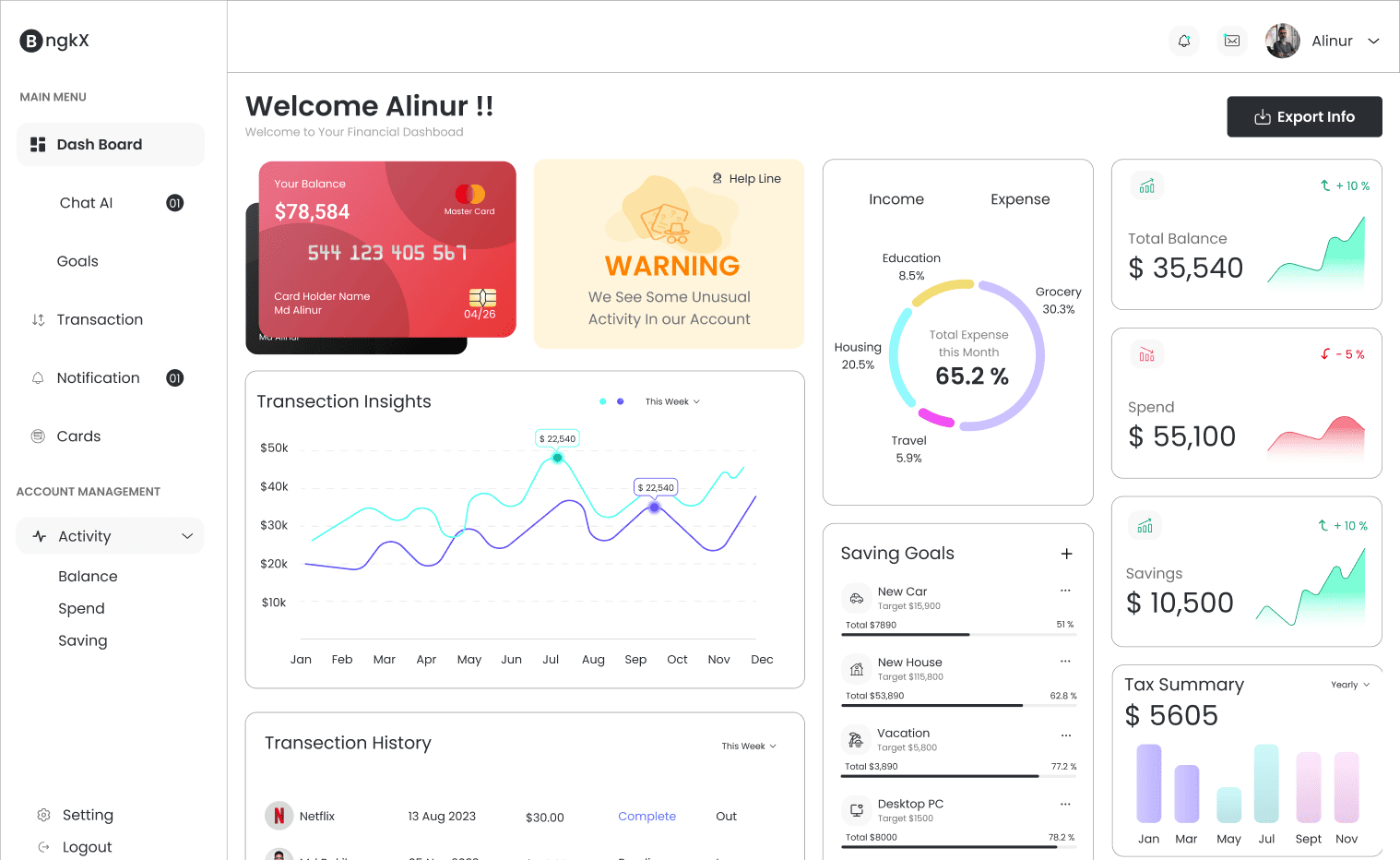
Ecommerce Dashboard

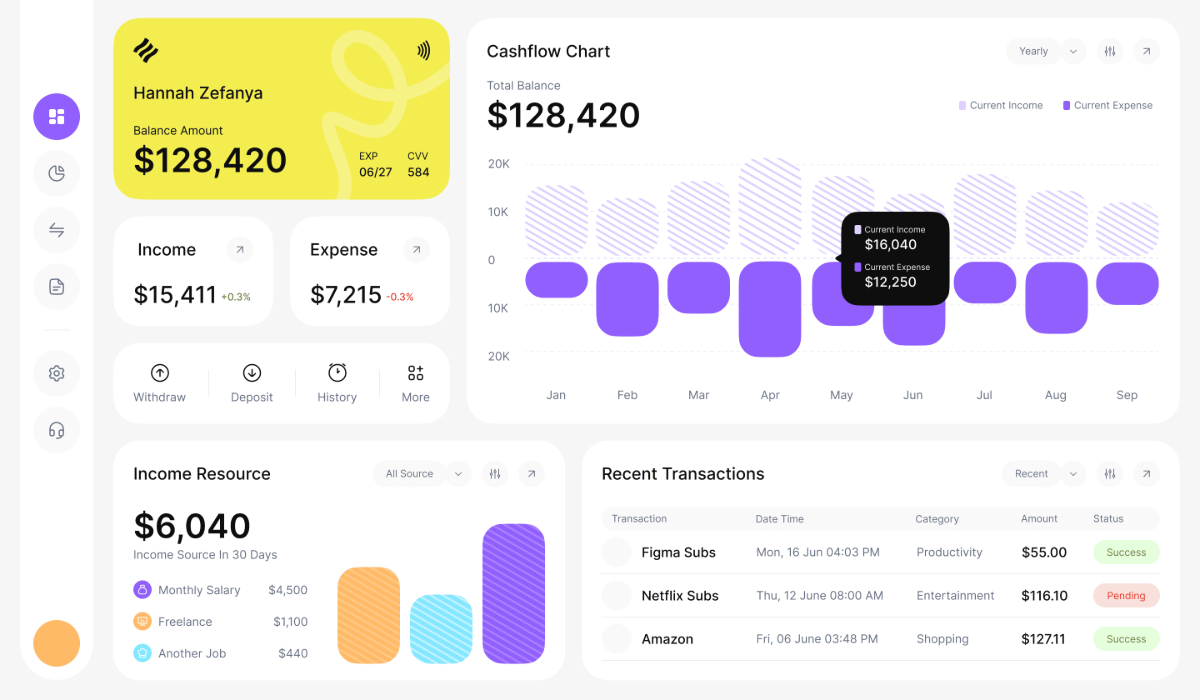
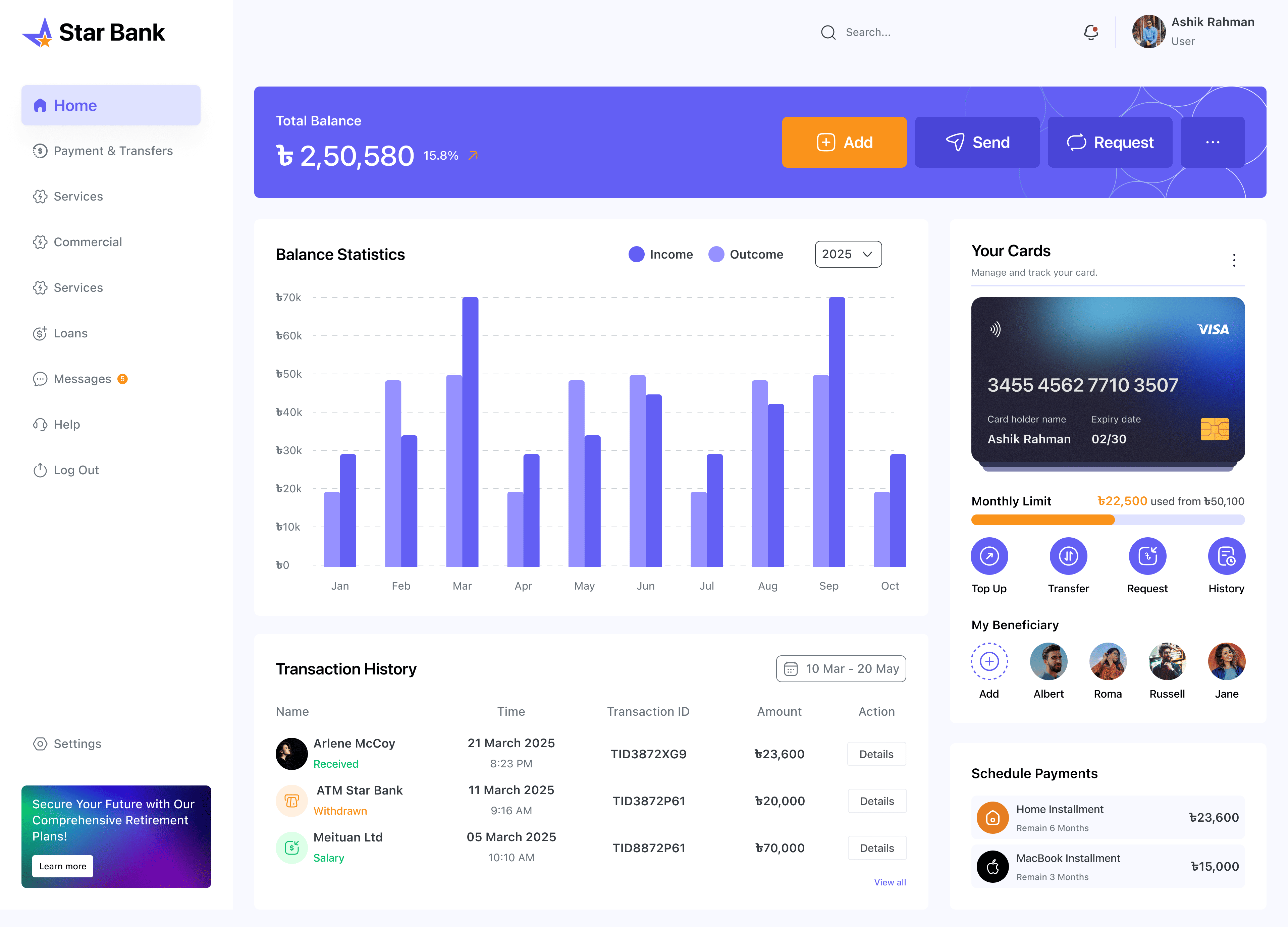
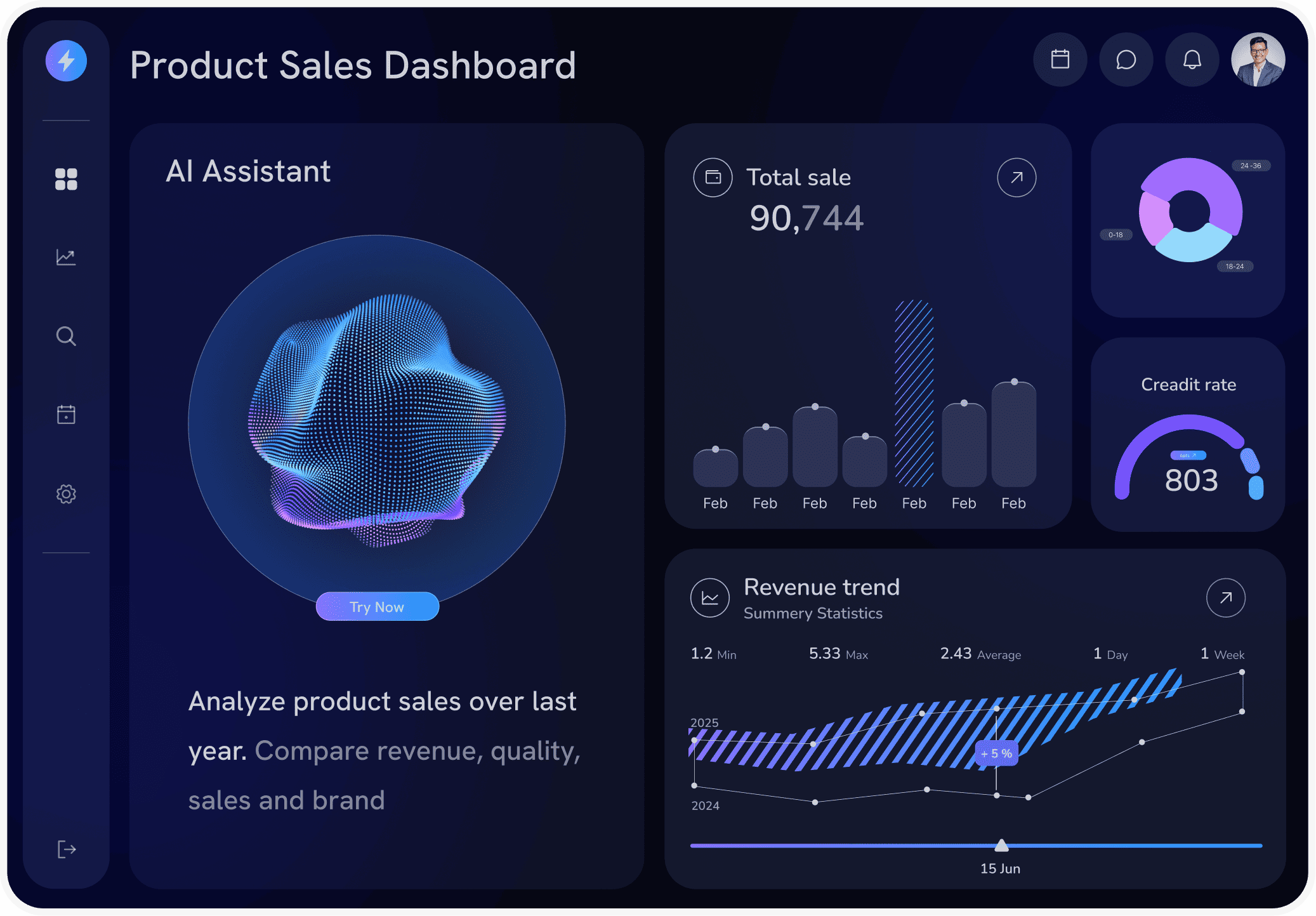
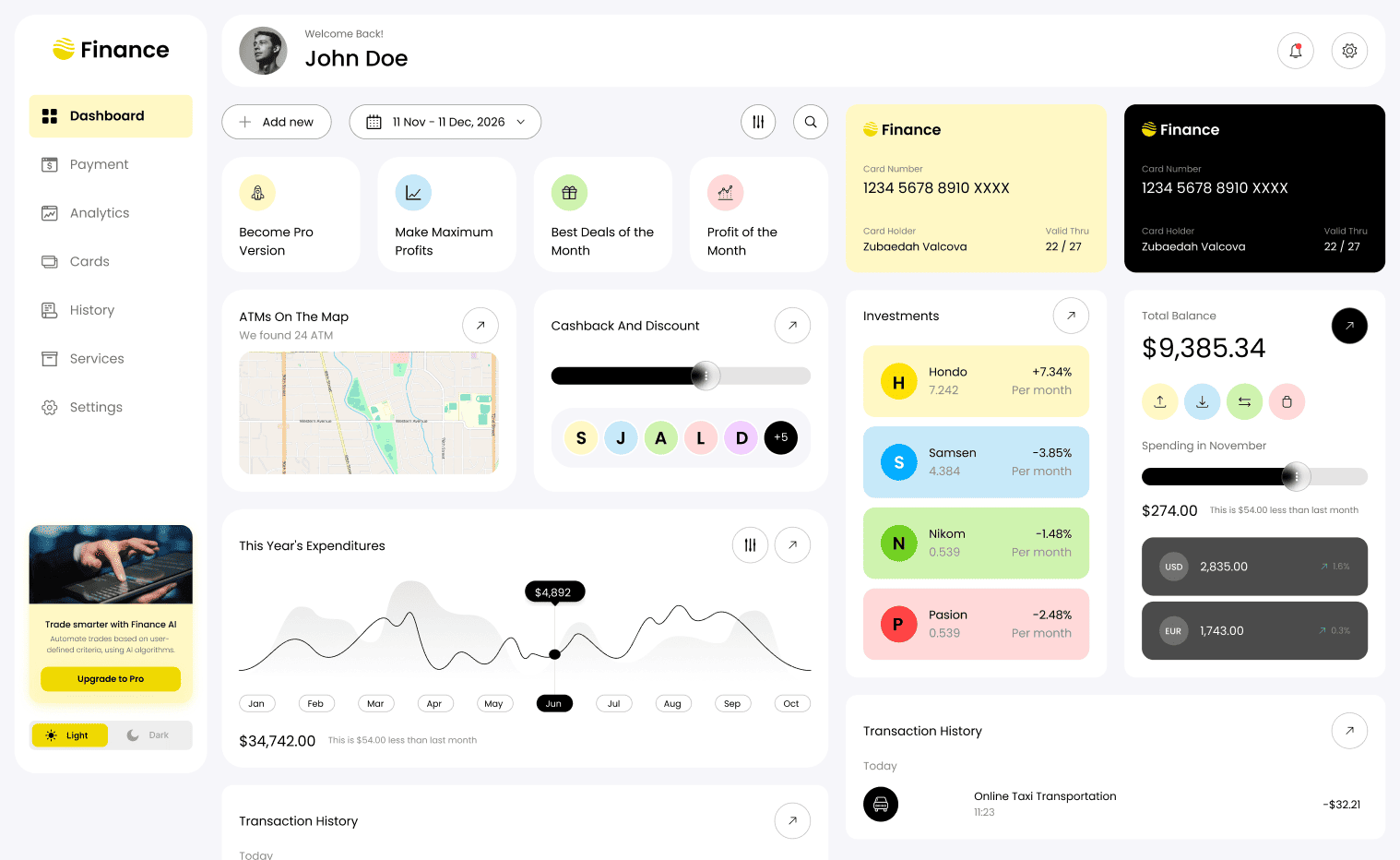
Track revenue, conversion rate, CAC and ROAS in one ecommerce analytics dashboard.

Ecommerce moves in hours, not weeks. A promo can lift revenue while ROAS slips, mobile conversion can drop after a checkout change, and inventory decisions can quietly cap growth. Fusedash helps you build an ecommerce dashboard that unifies revenue, orders, conversion rate, CAC, and ROAS into one clear view so your team can detect shifts early and respond with confidence.

Use it as a shop performance dashboard for daily trade, a revenue dashboard for leadership reviews, and a conversion rate dashboard to spot funnel friction before it becomes expensive. If you run multiple stores, it also works as a retail dashboard to standardize KPI definitions across teams. Need the core platform? Start with our dashboard software, then extend your views with charts, real-time monitoring, and maps as you scale.

fusedash/ag.drone
Daily decision framing

The questions your ecommerce dashboard should answer today

Your team does not need more charts. You need fast answers that lead to action. The right ecommerce analytics dashboard makes it obvious what changed, where it changed, and what to check next.

Daily decision framing

The questions your ecommerce dashboard should answer today

Your team does not need more charts. You need fast answers that lead to action. The right ecommerce analytics dashboard makes it obvious what changed, where it changed, and what to check next.

Are we ahead or behind today’s revenue target, and what is driving the gap?
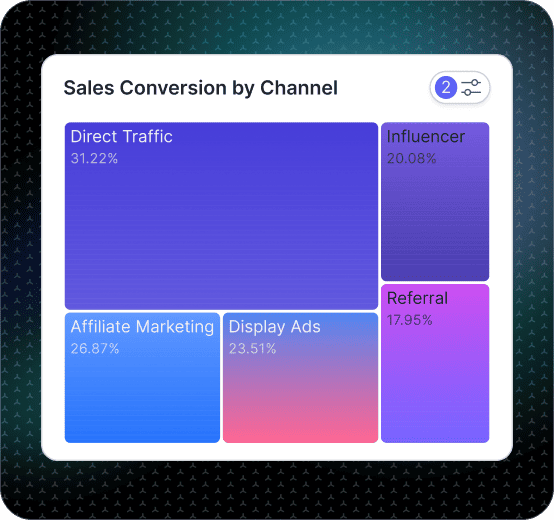
Which channels are producing profitable growth, not just traffic?
Where did conversion rate change first: device, landing page, category, or region?
Are discounts, returns, or shipping costs eroding margin on key products?
Which SKUs are trending toward stockout, and what revenue is at risk?
What is the next move: shift budget, fix the funnel, or adjust merchandising?
Dashboard Views

The ecommerce dashboard views teams actually use

These views match how ecommerce teams work: marketing needs spend clarity, merchandising needs product signals, and leadership needs one page that explains performance.

Dashboard Views

The ecommerce dashboard views teams actually use

These views match how ecommerce teams work: marketing needs spend clarity, merchandising needs product signals, and leadership needs one page that explains performance.

Insights-Driven Platform
Leadership View

Executive revenue dashboard

A single view of business health: revenue today, orders, conversion rate, top products, and a short “what changed” summary versus the previous period.

Marketing Efficiency

Marketing performance dashboard (CAC and ROAS)

Track spend, CAC, and ROAS by channel and campaign with period comparisons so you can decide what to scale, pause, or fix.

Funnel View

Conversion rate dashboard (funnel and UX)

Track conversion across funnel steps and segment by device, landing page, product category, and region to isolate where customers drop and what changed.

Merchandising

Merchandising and inventory dashboard

Monitor best sellers, slow movers, category performance, and stockout risk, with views that connect merchandising decisions to revenue impact.

Getting Started

How to build your ecommerce dashboard in Fusedash

Start simple and make it usable fast. Your first dashboard should explain performance, not just display metrics.

Getting Started

How to build your ecommerce dashboard in Fusedash

Start simple and make it usable fast. Your first dashboard should explain performance, not just display metrics.

Insights-Driven Platform
01

Connect your ecommerce data sources

Import CSVs or connect APIs for orders, products, customers, marketing spend, and analytics. Standardize KPI definitions so numbers match across teams.

02

Choose the first view that matches your biggest decision

Start with an executive overview, a marketing efficiency view, a funnel view, or an inventory view. One clear view beats five messy ones.

03

Build the KPIs, then add breakdowns that explain movement

Start with revenue, orders, conversion rate, AOV, CAC, and ROAS. Then add dimensions that drive action: channel, campaign, SKU, category, region, and device.

04

Add filters and drill-downs so answers take minutes

Use filters for date range, channel, campaign, category, SKU, device, and region. Drill down from the overview into the exact segment causing the change.

Fusedash Builder

Build dashboards your team can run the business from: clean KPIs, fast drill-downs, and one source of truth you can share confidently.

Start a free trial

Ecommerce KPIs to track by region

Geo views are most useful when they connect location to outcomes. Track these KPIs by country, region, or city to spot where performance shifts start and what to do next.

Revenue, orders, and AOV by country, region, or city
Conversion rate by location, plus device split (mobile vs desktop)
CAC and ROAS by region for campaign budget decisions
Refunds, returns, and margin impact by location (when tracked)

Real-time monitoring for ecommerce

During promos, launches, and site changes, yesterday’s numbers are too late. Real-time monitoring helps you catch problems early and react while performance is still recoverable.

Live revenue and orders during promotions
Conversion rate drops after checkout or landing page changes
Spend spikes or ROAS dips during campaign launches
Stockout risk on high-velocity SKUs before it hits revenue

Geo-intelligent monitoring for multi-region stores

If you sell across cities or countries, location explains more than averages. Use geo views to find where demand, conversion, and delivery outcomes change, then act by region instead of guessing.

Revenue and conversion rate by country, region, or city
Identify high-performing areas to scale campaigns and budgets
Spot regional drops tied to shipping delays or stock availability (when tracked)
Find return and refund hotspots to reduce margin leakage

Smart insights for ecommerce teams

When performance shifts, the hardest part is getting to the cause quickly. Use Smart Chat to generate the next best breakdown and move from “something changed” to “here’s why” without rebuilding reports.

Recommended breakdowns for revenue, conversion rate, CAC and ROAS
Turn questions into the right chart or table for the answer
Compare periods to isolate what changed and which segment caused it
Save reusable views for weekly reviews and monthly reporting
FAQs Section

Ecommerce dashboard FAQs

Answers to common questions teams ask when building an ecommerce dashboard for revenue, conversion, and marketing efficiency.

FAQs Section

Ecommerce dashboard FAQs

Answers to common questions teams ask when building an ecommerce dashboard for revenue, conversion, and marketing efficiency.

What is an ecommerce dashboard?

An ecommerce dashboard is a single view of store performance that typically includes revenue, orders, conversion rate, marketing efficiency (CAC and ROAS), and merchandising or inventory signals. It helps teams act on changes with consistent KPI definitions.

Which ecommerce metrics should I include first?

Start with revenue, orders, conversion rate, AOV, CAC, and ROAS. Then add breakdowns by channel, product category, device, and landing page so you can explain movement and act quickly.

How do I build a conversion rate dashboard that helps me act?

Track conversion across funnel steps and segment by device, landing page, region, and category. This shows where drop-offs start and what to test or fix first.

Can an ecommerce dashboard update in real time?

Yes. Real-time monitoring is valuable during promotions, site changes, and campaign launches when performance shifts quickly.

How do I make ROAS useful for decision-making?

Pair channel ROAS with blended efficiency, compare periods, and separate new versus returning performance. This prevents false alarms and supports better budget decisions.

Can I share this dashboard with stakeholders?

Yes. Share a consistent view so everyone uses the same KPI definitions and avoids conflicting reports across teams.

Ready to build a decision-ready ecommerce dashboard?

Track revenue, conversion rate, CAC, and ROAS in one clear view. Drill into what changed by channel, product, device, or region, and share a single source of truth your team can trust.